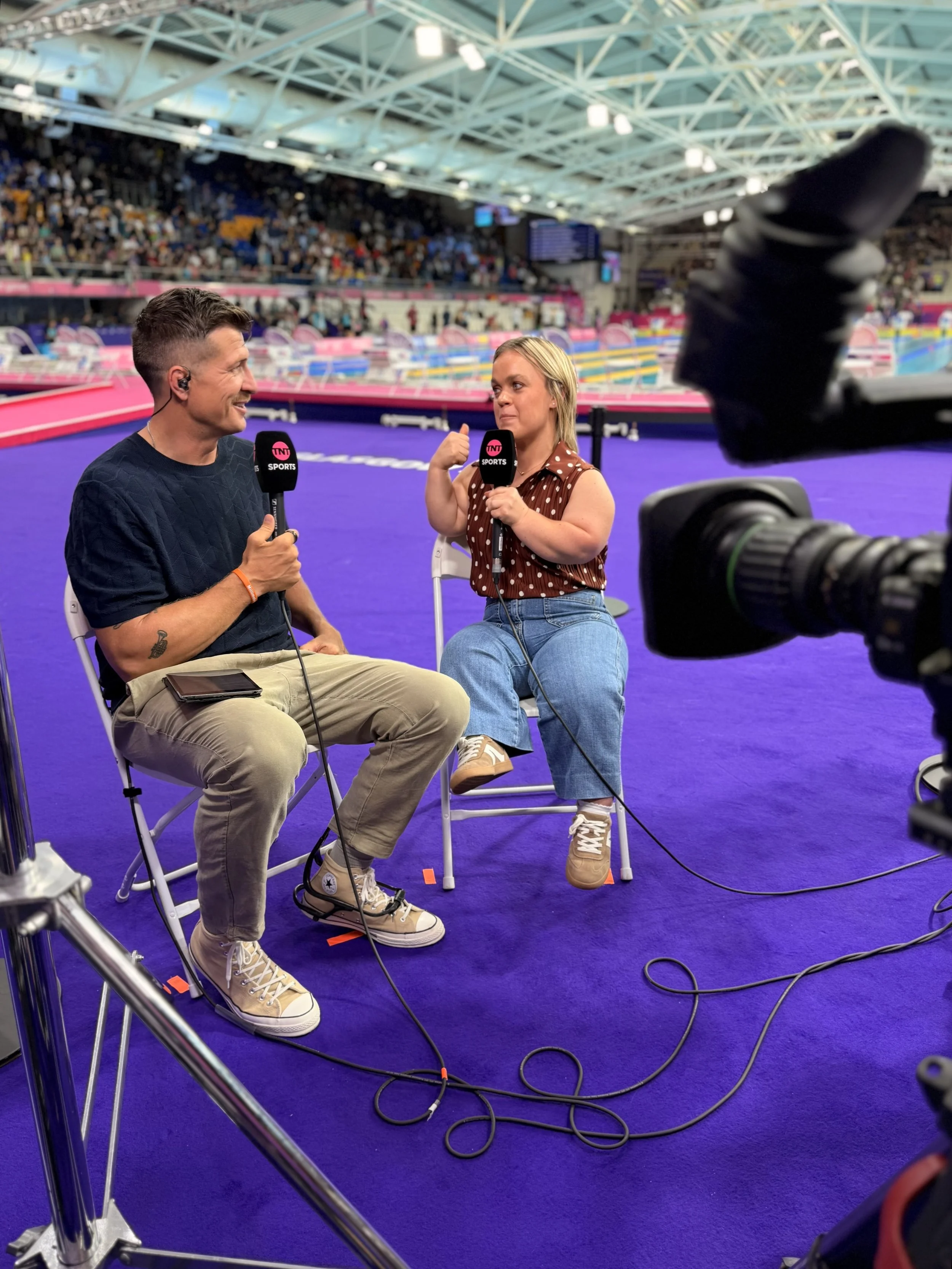
This summer I worked on Warner Bros. Discovery’s coverage of the Glasgow 2026 Commonwealth Games, broadcasting on TNT Sports and HBO Max from the swimming at Tollcross.
It felt like a full-circle moment. Twelve years earlier, I had worked on the Glasgow 2014 Commonwealth Games, the first of many large-scale sporting events I’ve been part of, from Baku 2017 through to the Paris Paralympics in 2024.
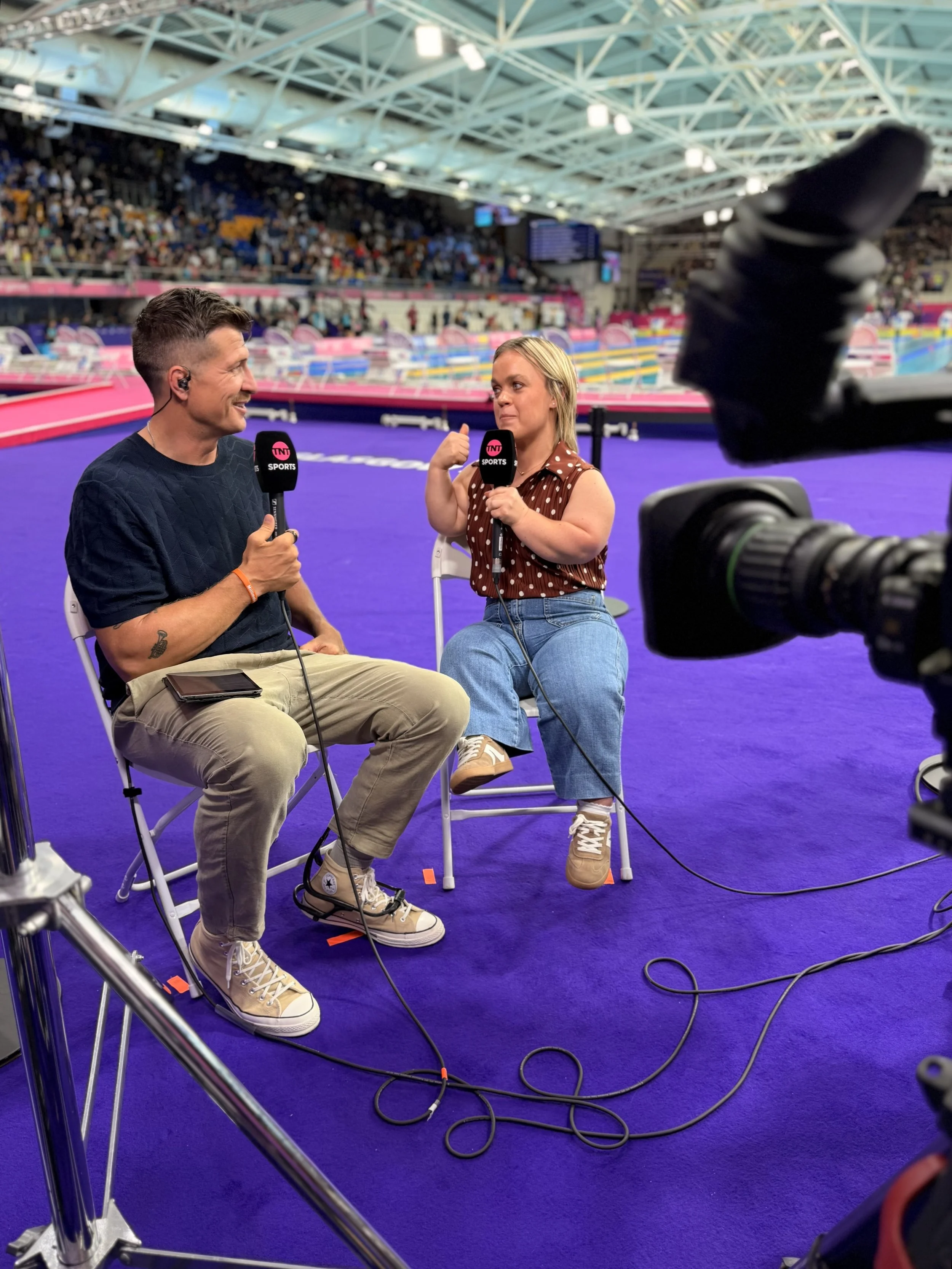
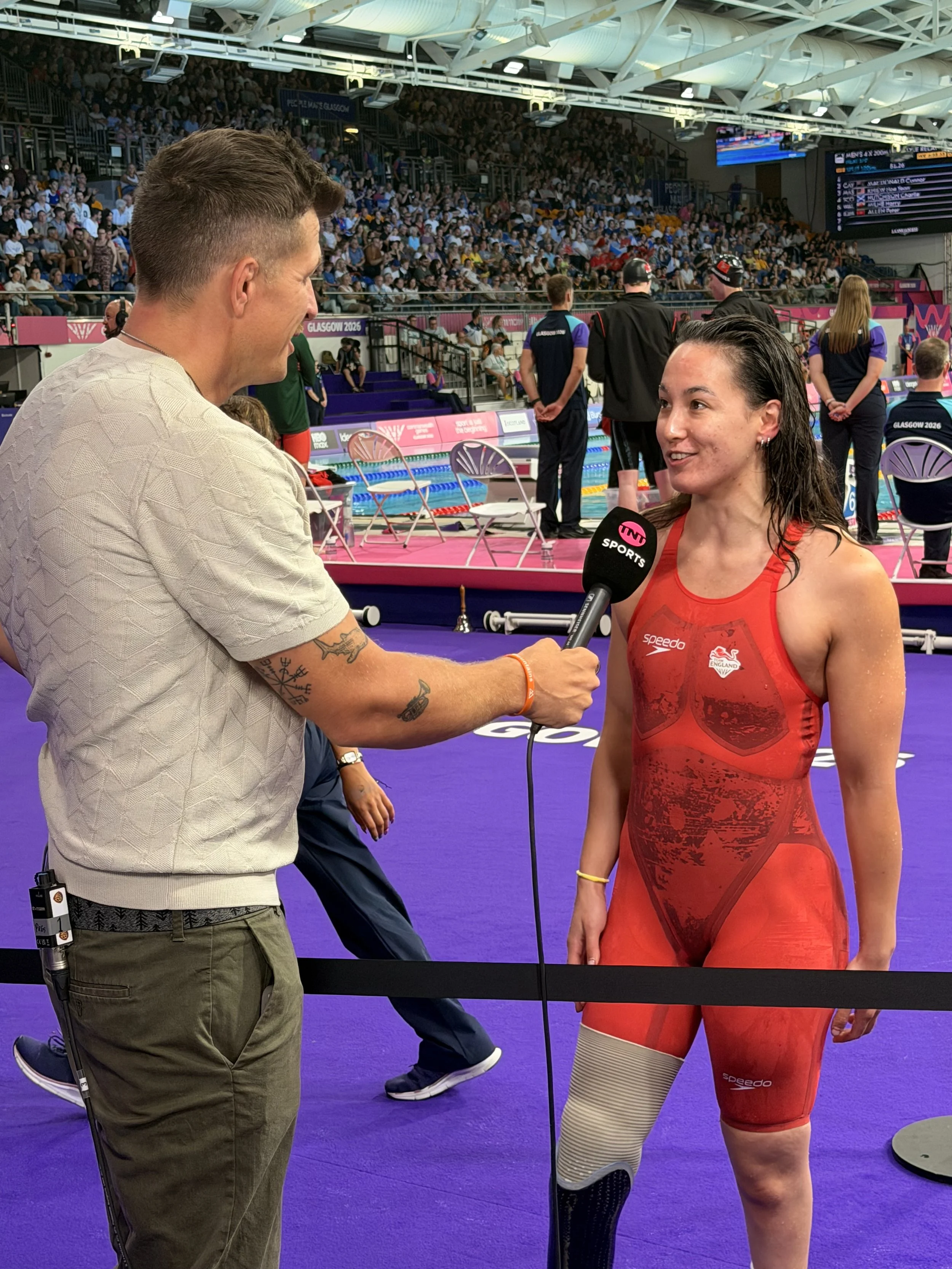
Based in the mixed zone with presenter Ed Jackson and pundits Ellie Simmonds, Michael Jamieson and Mark Foster, we captured interviews with athletes almost as soon as they stepped away from the pool, having just won a medal, broken a record or produced the best performance of their career.
The scale of both the event and the broadcast production was impressive. Around 3,000 athletes from 74 nations and territories competed across 11 days, while Warner Bros. Discovery produced more than 600 hours of coverage across HBO Max, dedicated TNT Sports channels and the all-day Commonwealth Games 360 programme.
Although we were broadcasting live from Glasgow, the programme was directed remotely from a gallery in London rather than an onsite outside broadcast unit. It is an approach that is becoming increasingly common at major events and relies on a huge team of producers, directors, engineers, sound crews and technical staff working together across different locations.
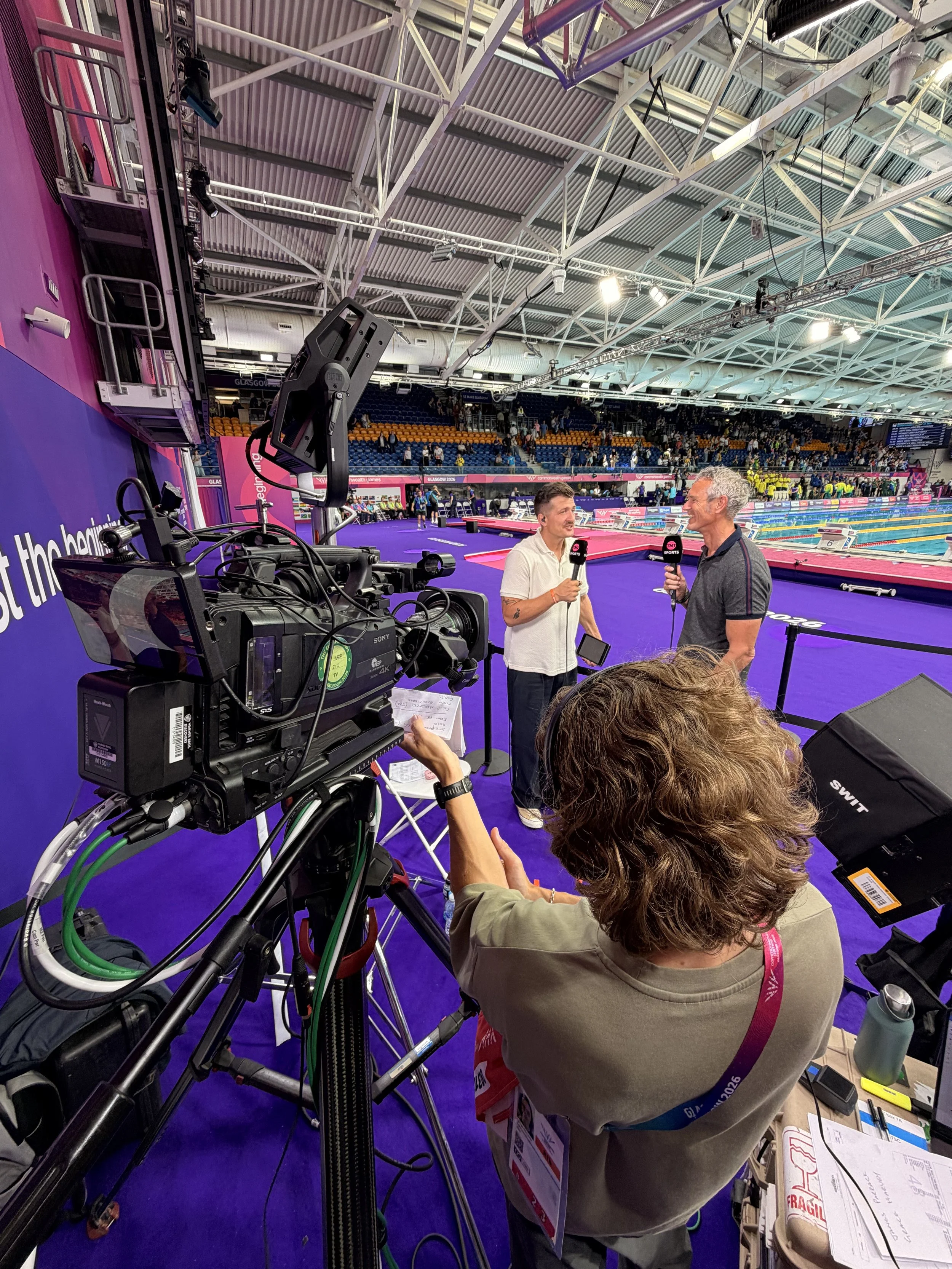
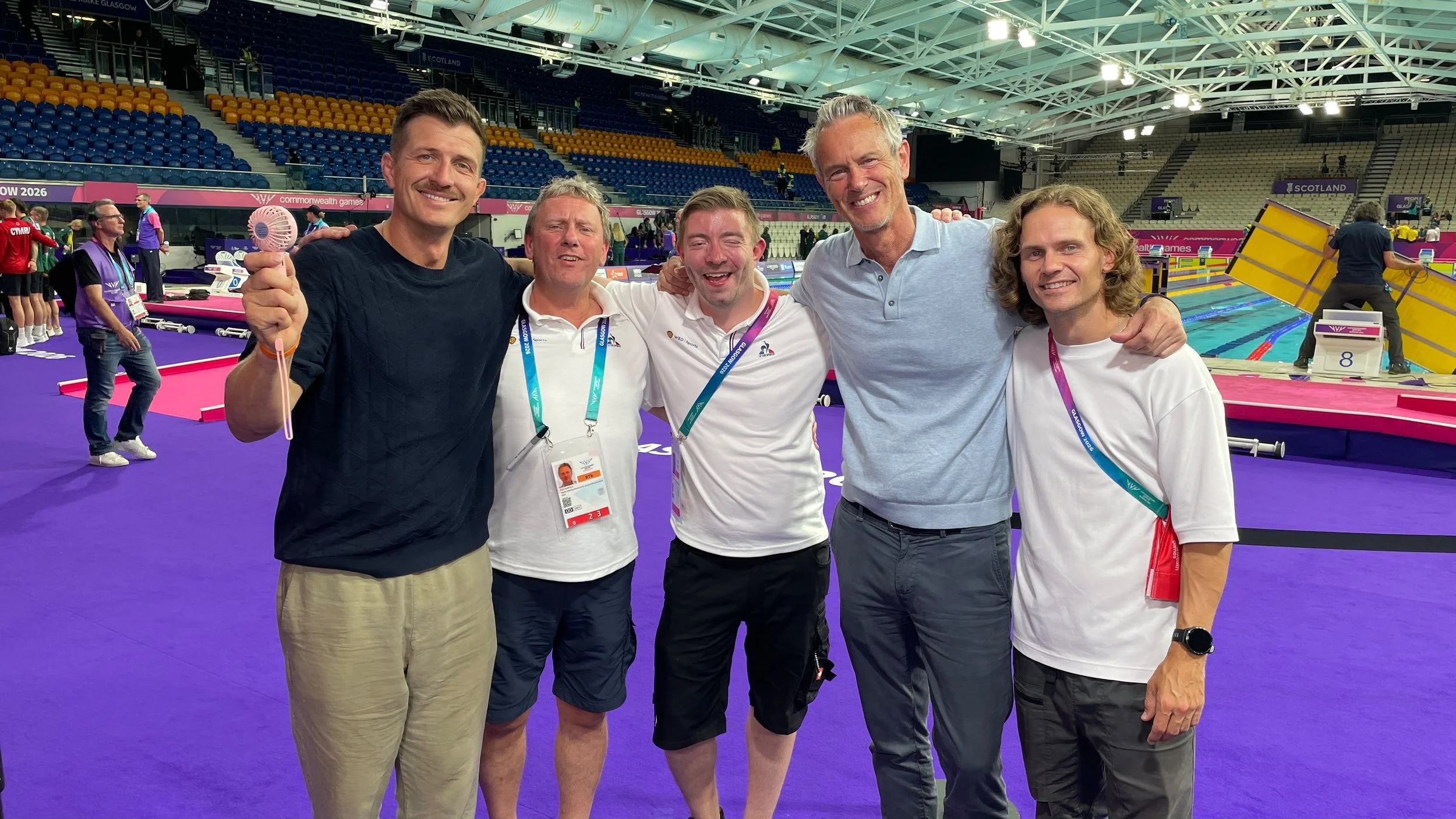
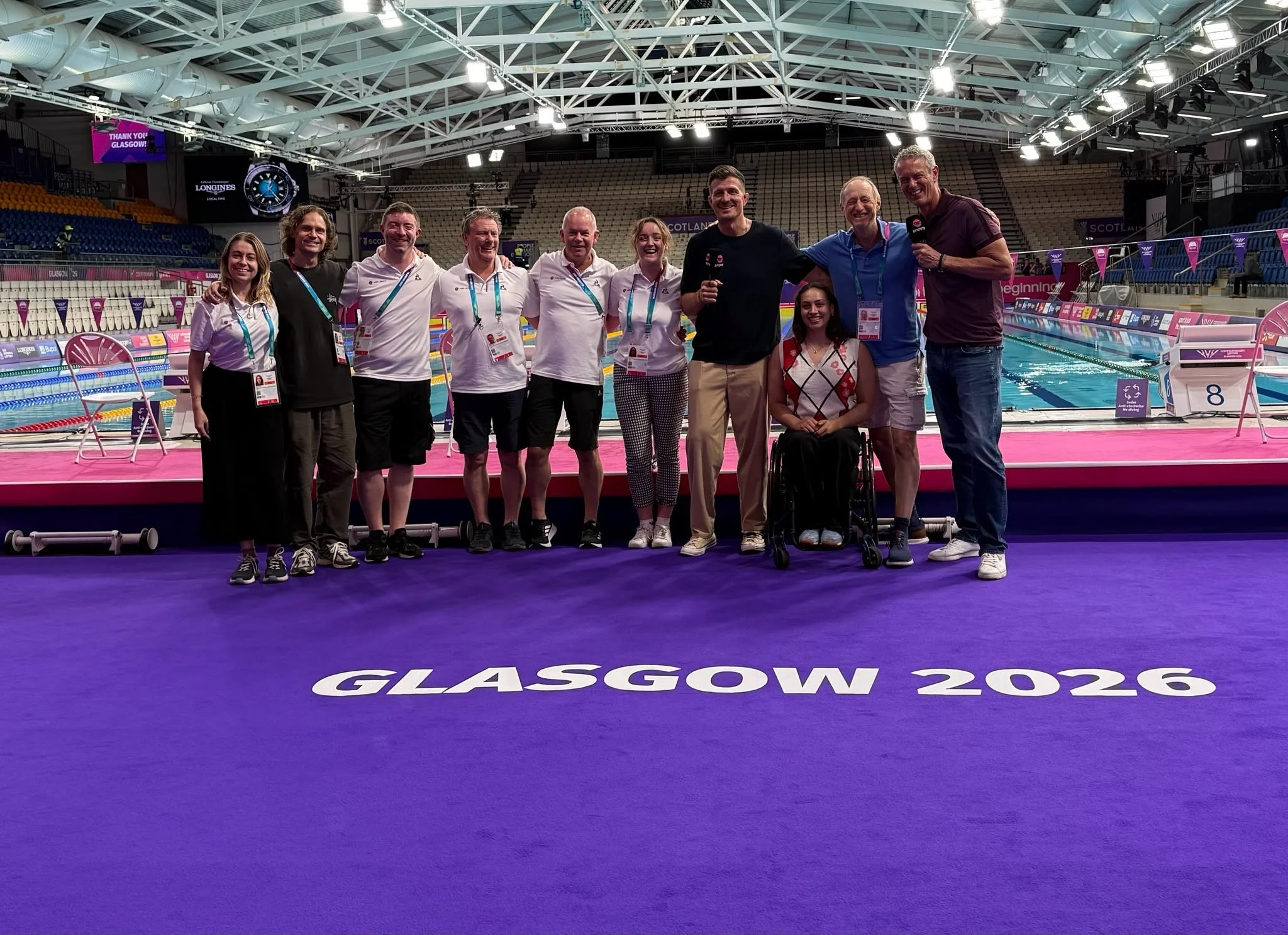
There was plenty to celebrate in the pool. Scotland won 12 swimming medals, including five golds, with Duncan Scott setting a Games record in the 200m individual medley and Faye Rogers becoming Scotland’s first Commonwealth Games Para swimming champion. There were several more Commonwealth Games records and some incredibly fast performances, including Cameron McEvoy’s winning time in the 50m freestyle, just nine hundredths of a second outside the world record.
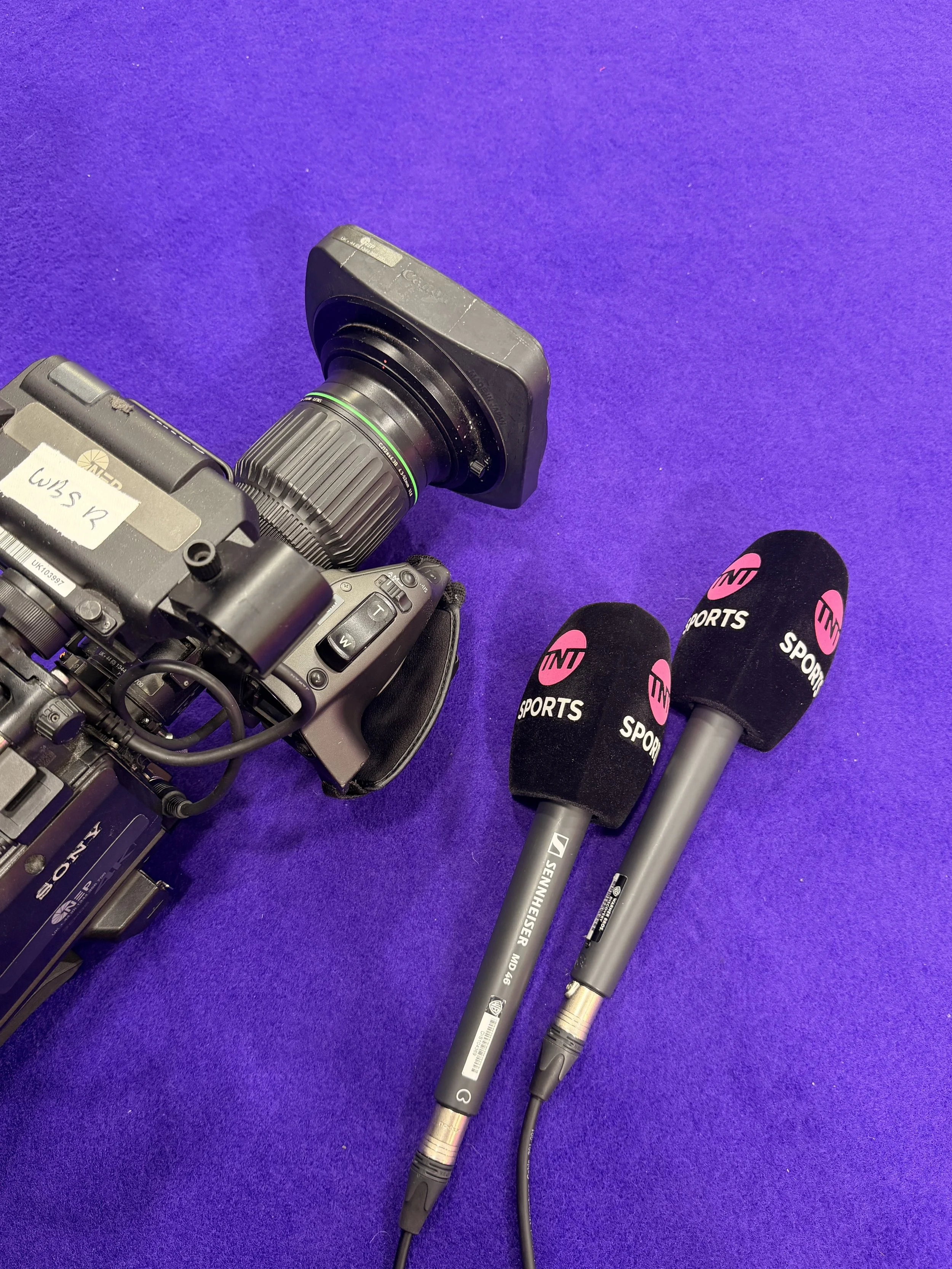
The most memorable part was being so close to the athletes at such an important moment, while also seeing the scale of the team and technology needed to bring those moments to viewers at home. Capturing those reactions as part of a major international broadcast, in my home city, made Glasgow 2026 a particularly special event to work on.